
Decor tips · 4 min read
Mixing wood tones without making a mess
The two-tone rule, the undertone test and where a third wood is allowed to appear.
By The Dana Studio ·
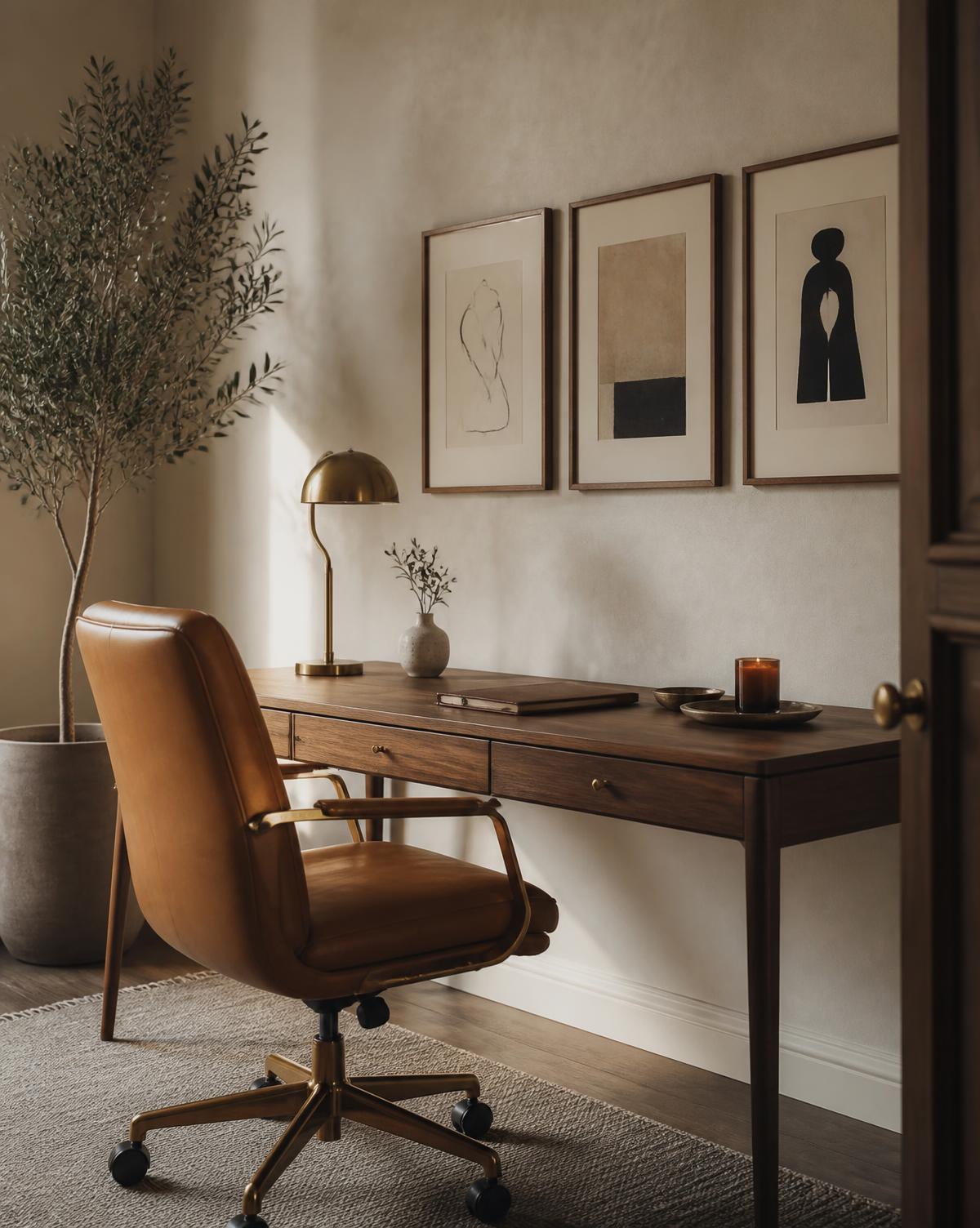
Two woods lead, a third accents
Pick a dominant wood for the largest pieces and a secondary for the smaller ones. A third can appear, but only in objects, a frame, a bowl, a lamp base.
Match undertone, not colour
Walnut and oak can sit together happily as long as both lean warm. Trouble starts when a grey-washed piece meets a red-toned one; the clash is in the undertone, not the shade.
Break the woods up with texture
A rug, a linen shade or a bouclé seat between two wood pieces gives the eye a rest and makes the difference read as deliberate.
Shop the categories in this guide
- Furniture: Beds, seating, tables and desks that hold a room together, sourced from established makers and styled into complete looks.
- Decor: Small pieces with weight to them. Resin floor vases, porcelain sets and mouth-blown glass.
- Rugs: The quiet foundation. Hand-loomed wool and textured neutrals that set the tone underfoot.